Introduction
UI/UX Design Trends 2027 are transforming the future of digital experiences, introducing powerful innovations in artificial intelligence, interactive interfaces, and user-centered design. As technology continues to evolve, businesses and designers must embrace emerging tools and strategies to create intuitive, engaging, and accessible digital products.
From AI-powered design automation to immersive augmented reality experiences, the latest developments are reshaping how users interact with websites, mobile applications, and digital platforms.
Understanding UI/UX Design Trends 2027 is essential for designers, developers, and businesses looking to stay competitive, improve user satisfaction, and deliver exceptional digital experiences.
Artificial Intelligence and UI/UX Design Trends 2027
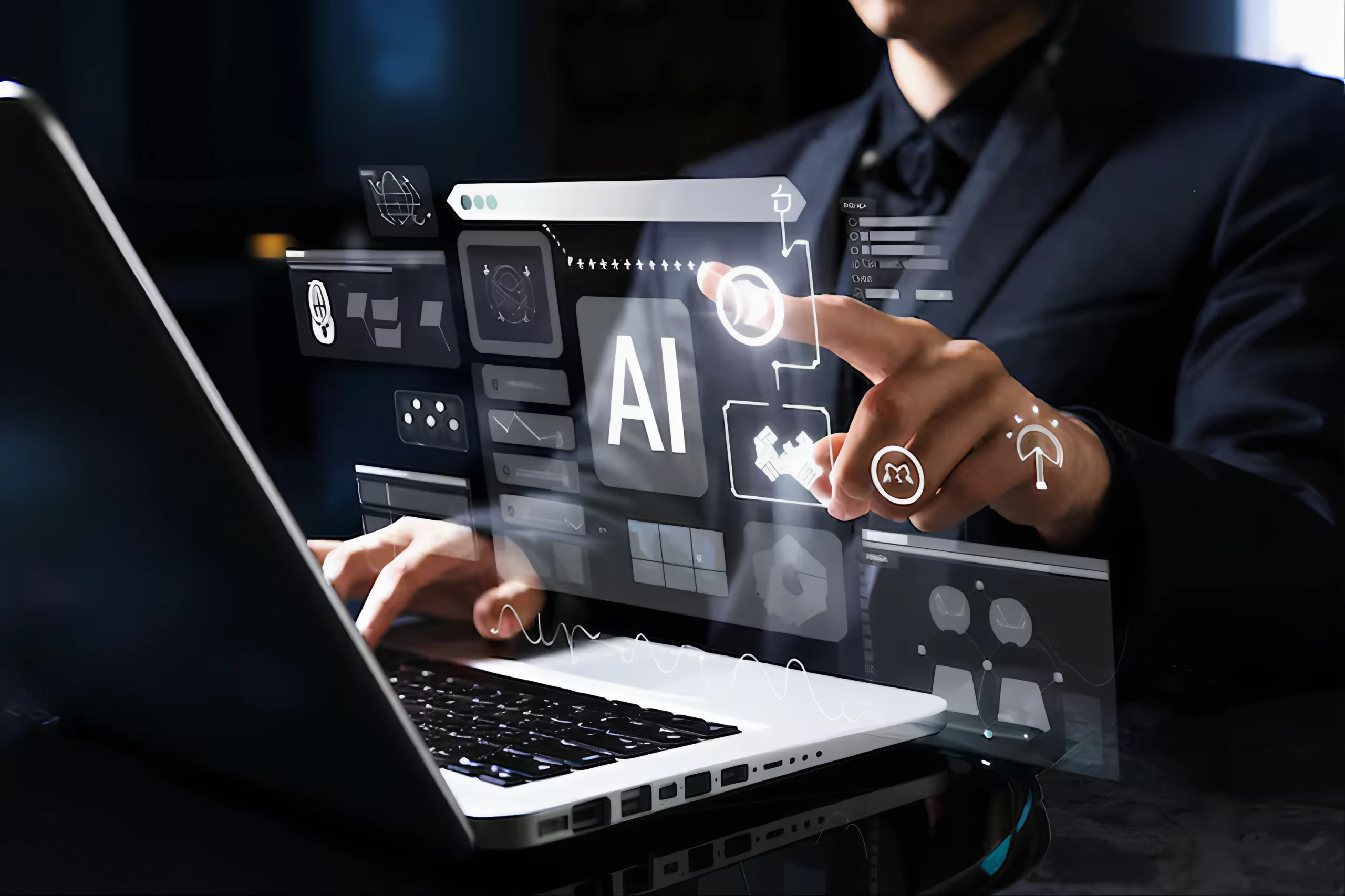
Artificial intelligence is becoming one of the most influential technologies shaping modern user interface and user experience design.
AI-powered tools such as Figma AI and Adobe Sensei help designers accelerate prototyping, automate repetitive tasks, and explore innovative design concepts.
One of the most significant UI/UX Design Trends 2027 is the increasing adoption of generative AI in digital product development. These technologies can analyze user behavior, generate interface suggestions, and help create personalized experiences based on individual preferences.
By integrating artificial intelligence into their workflows, designers can dedicate more time to creativity, strategic thinking, and solving complex usability challenges.
As AI capabilities continue to advance, intelligent design assistants are expected to become increasingly valuable for businesses seeking faster development cycles and more effective user experiences.
Omnichannel User Experience: Seamless Interactions Across Platforms
Modern users expect seamless digital experiences across smartphones, tablets, desktop computers, wearable devices, and emerging immersive technologies.
Among the leading UI/UX Design Trends 2027, omnichannel design is expected to become increasingly important as businesses develop interconnected digital ecosystems.
Instead of focusing exclusively on responsive layouts, designers are adopting adaptive approaches that consider user behavior, device capabilities, and interaction contexts.
Technologies and methodologies such as Design Systems, Adaptive UX, Augmented Reality (AR), and Virtual Reality (VR) can help organizations create consistent experiences across multiple platforms.
Maintaining consistency in navigation, visual identity, accessibility, and functionality allows businesses to strengthen customer relationships and improve overall user satisfaction.
Interactive Designs and Futuristic User Interfaces
Digital interfaces are evolving beyond traditional static layouts toward more dynamic, engaging, and interactive experiences.
One of the most exciting UI/UX Design Trends 2027 involves the growing importance of microinteractions, motion design, and intelligent interface animations.
Microinteractions and Animated UI Components provide immediate feedback, improve navigation, and guide users through complex digital processes.
These subtle design elements can make applications feel more responsive while improving usability and creating memorable interactions.
Additionally, conversational interfaces and voice-controlled technologies are expected to play a larger role in digital product design.
Innovations such as Conversational UX, AI-powered Chatbots, Voice User Interfaces (VUI), and Gesture-Based Interactions are expanding how people communicate with technology.
By combining intuitive navigation with intelligent interactions, designers can develop digital experiences that feel more natural, personalized, and accessible.
The Importance of UI/UX Design Trends 2027 in the Modern Digital Era
In today’s competitive digital environment, successful website and application design requires more than attractive visual elements.
Businesses must prioritize usability, accessibility, performance, and personalized interactions to meet evolving customer expectations.
Understanding UI/UX Design Trends 2027 enables organizations to identify emerging opportunities, adopt innovative technologies, and develop user-centered digital products.
Companies that invest in user behavior analysis, continuous usability testing, accessibility improvements, and data-driven design strategies can make more informed decisions and improve the overall customer experience.
Furthermore, integrating modern UI/UX principles can help businesses reduce friction in user journeys, increase engagement, and improve conversion rates.
As digital technologies become increasingly sophisticated, organizations that prioritize exceptional user experiences will be better positioned to strengthen brand loyalty and achieve sustainable growth.
For designers and businesses exploring the future of digital interfaces, following established guidelines such as Google Material Design can provide valuable insights into creating consistent, accessible, and user-friendly digital products.
To better understand how user experience design has evolved over the years, explore our article on the future of UI/UX design, covering emerging trends, innovative tools, and technologies that continue to shape modern digital experiences.
Latest UI/UX Design Trends 2027: Powerful Tools and Technologies
The latest UI/UX Design Trends 2027 highlight the growing importance of artificial intelligence, immersive technologies, collaborative design platforms, and data-driven decision-making. As digital experiences become more sophisticated, designers need powerful tools to create intuitive, accessible, and visually engaging interfaces.
From AI-powered prototyping to advanced accessibility testing, these technologies are expected to shape how designers and developers build digital products in 2027.
AI-Powered Interactive Design
Artificial intelligence is transforming how designers approach interface creation, prototyping, and user experience optimization.
Tools such as Uizard, Relume, and Framer leverage AI-powered capabilities to help designers generate layouts, build interactive prototypes, and accelerate the creative process.
Among the most promising UI/UX Design Trends 2027 is the continued evolution of AI-assisted design workflows, enabling professionals to explore creative concepts faster while reducing repetitive manual tasks.
These technologies can help businesses shorten development cycles, improve collaboration, and create more personalized digital experiences.
Augmented Reality (AR) and User Experience
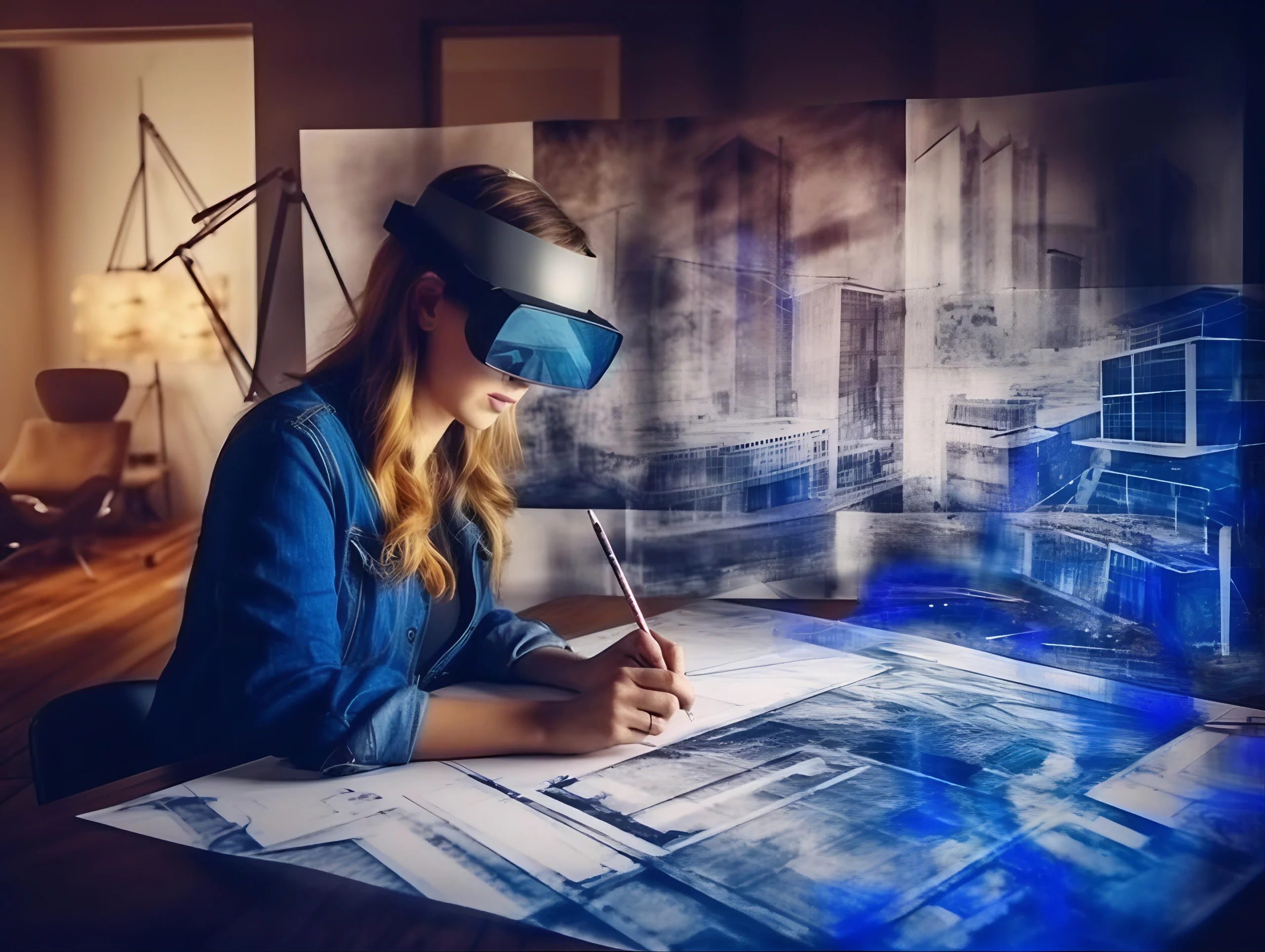
Augmented reality is expanding the possibilities of interactive digital experiences by combining virtual elements with real-world environments.
With technologies such as Apple’s ARKit and Google’s ARCore, designers can create applications that incorporate interactive 3D objects, immersive visualizations, and spatial interactions.
As part of the emerging UI/UX Design Trends 2027, augmented reality is expected to play an increasingly important role in industries such as e-commerce, education, architecture, and entertainment.
For example, online retailers can use AR-powered product previews to help customers visualize products in their surroundings, while educational applications can introduce interactive learning experiences.
More Efficient and Integrated Design Tools
Modern UI/UX design requires seamless collaboration between designers, developers, product managers, and other stakeholders.
Leading platforms such as Figma, Sketch, and Framer offer capabilities that support collaborative workflows, interactive prototyping, reusable components, and design system management.
One of the important UI/UX Design Trends 2027 is the growing integration of design tools with development workflows, helping teams move more efficiently from initial concepts to functional digital products.
Features such as real-time collaboration, developer handoff, component libraries, and automated design assistance can reduce inconsistencies and improve productivity.
Designers can explore Figma’s official platform to learn more about collaborative interface design and prototyping.
Design Systems at the Core of User Experience
Design systems are becoming essential for organizations seeking consistent, scalable, and recognizable digital experiences.
Frameworks such as Google Material Design and Apple Human Interface Guidelines provide structured principles for typography, colors, layouts, components, accessibility, and interaction patterns.
Among the foundational UI/UX Design Trends 2027, scalable design systems are expected to remain important as businesses expand their digital products across multiple platforms.
By implementing reusable components and standardized design guidelines, organizations can maintain brand consistency while reducing development complexity.
These systems also improve collaboration between design and engineering teams, helping businesses deliver more cohesive and reliable user experiences.
For additional guidance, designers can explore the official Apple Human Interface Guidelines.
The Importance of Data-Driven Design
Data-driven design allows businesses to make informed decisions based on actual user behavior rather than assumptions.
Analytics and user behavior tools such as Hotjar, Google Analytics, and FullStory help designers understand how visitors interact with websites and applications.
These platforms can provide valuable insights into navigation patterns, engagement levels, user journeys, and potential usability problems.
As UI/UX Design Trends 2027 continue to evolve, combining behavioral analytics with AI-assisted insights could help designers identify friction points and optimize digital experiences more efficiently.
By continuously analyzing user interactions and conducting usability tests, businesses can improve customer satisfaction, increase conversions, and develop more effective digital products.
Improving Accessibility in UX Design
Accessibility is a fundamental component of modern user experience design, ensuring that digital products can be used by people with different abilities and needs.
Tools such as Stark and Axe DevTools help designers and developers identify accessibility issues, evaluate interface components, and improve compliance with established accessibility standards.
One of the most meaningful UI/UX Design Trends 2027 is the continued emphasis on inclusive design, particularly as digital products become more interactive and technologically advanced.
Designers should consider important accessibility factors such as color contrast, keyboard navigation, screen reader compatibility, readable typography, and clear interaction feedback.
Following the Web Content Accessibility Guidelines (WCAG) can help organizations create more inclusive and user-friendly digital experiences.
By prioritizing accessibility throughout the design process, businesses can reach broader audiences and deliver better experiences for everyone.
“Great UI/UX design isn’t just something you see; it’s something you feel and understand.”
In-Depth Insights: The Future of UI/UX Design Beyond 2027
Looking beyond current technologies, the future of UI/UX design is expected to involve deeper integration between artificial intelligence, human-centered design, and immersive digital environments.
As AI-powered interfaces become more capable, designers may increasingly focus on creating adaptive experiences that respond to user preferences, accessibility requirements, and real-time interactions.
However, successful digital products will continue to depend on fundamental design principles, including usability, simplicity, consistency, and user trust.
Understanding UI/UX Design Trends 2027 can help designers prepare for these changes while maintaining a strong focus on delivering meaningful and practical user experiences.
Conclusion: Why UI/UX Design Trends 2027 Matter
The evolution of UI/UX Design Trends 2027 demonstrates how artificial intelligence, immersive technologies, collaborative design tools, and accessibility improvements are shaping the future of digital product development.
As user expectations continue to rise, designers and businesses must stay informed about emerging technologies and adopt strategies that prioritize usability, innovation, and personalized experiences.
From AI-powered prototyping and augmented reality to scalable design systems and data-driven optimization, these advancements offer valuable opportunities to improve digital products and strengthen customer relationships.
Businesses that invest in modern UI/UX practices are better positioned to increase engagement, improve customer satisfaction, and build long-term brand loyalty.
Ultimately, UI/UX Design Trends 2027 are not simply about adopting new technologies. They represent a broader shift toward creating smarter, more accessible, and more meaningful digital experiences that support sustainable business growth.